
Understanding the psychology behind gambling behavior in casinos
The Allure of Gambling: Understanding the Attraction
The allure of gambling lies in its blend of excitement, risk, and reward. Many individuals are drawn to casinos by the vibrant atmosphere, filled with the sounds of spinning wheels and the flashing lights of slot machines. This environment is designed to stimulate the senses and create an exhilarating experience that can easily lead to a state of heightened arousal. The unpredictable nature of gambling contributes to its appeal, as players often feel a rush of adrenaline with every win or loss, which reinforces their desire to continue playing. For more insights, check out the Casino Pledoo Review, where you can learn more about the strategies that enhance player engagement.
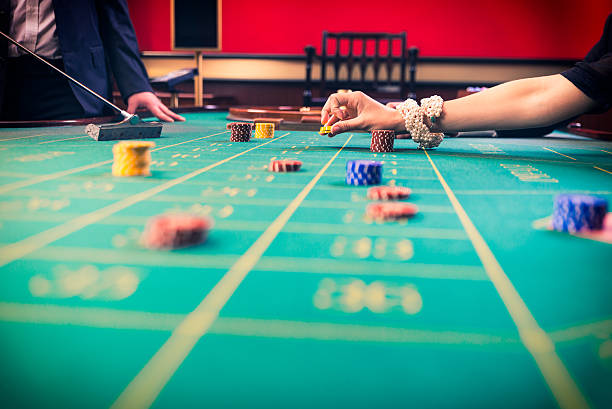
Moreover, the excitement of potentially winning big can lead to a phenomenon known as „near misses.” This psychological effect occurs when players come very close to winning but do not. Such experiences can be motivating, as players often believe that they are „due” for a win, which keeps them engaged. This illusion of control is a key factor in why people return to gamble repeatedly, even after experiencing losses.
Cultural factors also play a significant role in shaping gambling behavior. In many societies, gambling is associated with social status and wealth. The portrayal of casinos in movies and television often glamorizes the lifestyle of high rollers, further enticing individuals to participate. This social validation can intensify the desire to gamble, as individuals may seek approval or admiration from their peers based on their gambling prowess or the perceived thrill associated with it.
The Role of Cognitive Biases in Gambling
Cognitive biases significantly influence gambling behavior, leading individuals to make irrational decisions. One common bias is the „gamblers’ fallacy,” where players mistakenly believe that past outcomes will affect future results. For instance, after a series of losses, a player may believe they are more likely to win in the next round, which can lead to increased bets and deeper losses. This misjudgment stems from a misunderstanding of random events, which can be particularly pronounced in games of chance.
Confirmation bias is another cognitive bias prevalent among gamblers. This occurs when individuals focus on information that supports their beliefs while ignoring contrary evidence. For example, a player may only remember their wins and forget the numerous losses, reinforcing the idea that they have a winning strategy. This selective memory can create a cycle of gambling behavior that is hard to break, as players continually chase the highs of their past successes.
Additionally, the design of casino games often exploits these cognitive biases. Games are structured to provide intermittent rewards, which can lead to compulsive gambling behavior. The random payout schedule creates excitement and anticipation, making it difficult for players to walk away. This psychological manipulation keeps individuals engaged, often leading them to gamble more than they intended, thereby increasing the casino’s profits.
The Impact of Emotions on Gambling Decisions
Emotions play a crucial role in gambling behavior. Many individuals gamble to escape from stress, anxiety, or other negative emotions. The casino environment offers a temporary respite, where players can immerse themselves in the thrill of the game and momentarily forget their troubles. However, this emotional escape can lead to poor decision-making, as individuals may bet more than they can afford to lose while in an emotionally heightened state.
On the other hand, positive emotions can also fuel gambling behavior. The excitement of winning can create a euphoric state that encourages players to continue betting. This „winner’s high” can lead to a sense of invincibility, where players feel that their luck will continue to hold. Such emotions can cloud judgment, pushing players to wager larger sums in hopes of replicating their previous wins, often resulting in substantial losses.
Furthermore, social interactions within the casino setting can amplify emotional responses. Engaging with other players or dealers can create a sense of camaraderie, enhancing the overall experience. However, this social aspect can also lead to peer pressure, where individuals feel compelled to gamble more to fit in or appear adventurous. The interplay between emotions and gambling decisions underscores the complex psychological landscape that defines casino behavior.
The Influence of Environment on Gambling Behavior
The design and layout of casinos are meticulously crafted to influence player behavior. From the moment one steps inside, they are greeted with a sensory overload designed to keep them engaged. The lack of windows and clocks creates a disorienting atmosphere where players lose track of time, often leading to extended gambling sessions. This intentional design encourages players to stay longer and spend more, as they become entranced by the thrill of the games around them.
Lighting, sound, and even scent are strategically utilized to enhance the gambling experience. Bright lights and cheerful sounds signal wins and create an upbeat environment, while calming scents can relax players and keep them at the tables longer. Such factors contribute to a multi-sensory experience that can make it challenging for individuals to walk away, even when they have reached their limits.
The presence of alcohol in casinos also plays a significant role in gambling behavior. Many casinos offer free drinks to players, which can lower inhibitions and lead to riskier gambling decisions. Alcohol affects judgment, often resulting in larger bets and a diminished ability to assess losses. This combination of environmental factors creates a potent mix that can lead to excessive gambling and, in some cases, addiction.

Exploring Resources on Gambling Behavior
For those looking to understand gambling behavior further, various resources are available. Websites like Pledoo Review provide comprehensive insights into different casinos, their games, and player experiences. By reading detailed reviews, individuals can gain a clearer picture of what to expect, helping them make informed decisions about where to gamble. This knowledge can empower players to navigate the complex world of casinos more effectively.
Moreover, educational platforms offer tools and strategies for responsible gambling. Understanding the psychological mechanisms at play can equip individuals with the knowledge needed to recognize their patterns and make healthier choices. These resources can be invaluable for both casual gamblers and those who may be struggling with compulsive behavior.
Ultimately, by exploring these resources, individuals can develop a more nuanced understanding of their gambling habits and the psychological factors that influence them. This awareness can lead to a healthier relationship with gambling and a better overall experience in the casino environment. Engaging with these insights allows players to enjoy the thrill of gambling while maintaining control and making informed decisions.